
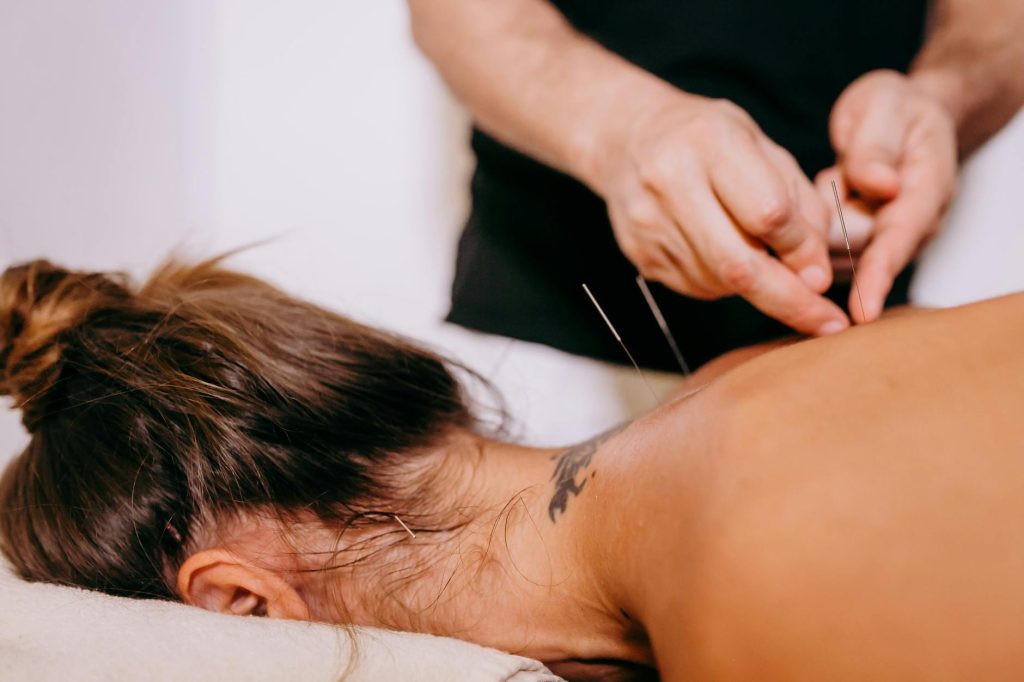
Acupuncture and dry needling both involve inserting fine needles through the skin. They can differ in their assessment framework, the purpose of needling and the practitioner’s training.
How the approaches are described
Acupuncture developed within Chinese medicine, although it is also used within other clinical approaches. Dry needling is commonly directed at muscles and associated pain or movement problems. There can be overlap in techniques; a label alone does not tell you what will happen in your session.
Training and informed consent
Ask about the practitioner’s professional registration, qualifications, relevant experience and scope of practice. Comparing short-course lengths alone does not establish a person’s competence or the suitability of treatment. Ask what assessment will be performed, what outcome is being proposed, and what evidence supports that proposal in your circumstances.
Risks and alternatives
Both approaches can cause adverse effects. Discuss bruising, bleeding, infection and the possibility of more serious injury, including injury near the chest. Tell the practitioner about medicines, bleeding problems, pregnancy and relevant health conditions.
Ask about other options, the cost, how progress will be reviewed, and when treatment would be stopped or a referral made. Neither the traditional history of an approach nor a stronger needle sensation guarantees a better result.
Sources and further reading
General information only. This article does not diagnose a condition or recommend an individual treatment plan. References support the information discussed; they do not establish that a particular MediHope treatment will produce a particular outcome.